
Introducing a new nutrition and culinary program, Taste of Wellness, curated by Pleasant View’s dining services provider, Culinesse. Look out for new educational articles monthly!
Article written by Nora Jensen MHSc, RDN, LDN
For many people, cooler weather brings thoughts of cold and flu season. Store shelves begin to fill with supplements promising immune boosting benefits. But there is no vitamin, food or supplement that can prevent or cure the cold or flu.
The best defense for your immune system includes a balanced diet, year round. Poor diet quality, malnutrition and some vitamin deficiencies can negatively impact the immune system. Staying hydrated can assist the body in transportation of white blood cells and removing waste and toxins.
Good nutrition can also support healthy habits for immunity, including obtaining 7-9 hours of sleep per night, reducing stress, maintaining a healthy body weight and being physically active.
Immune Supporting Nutrients
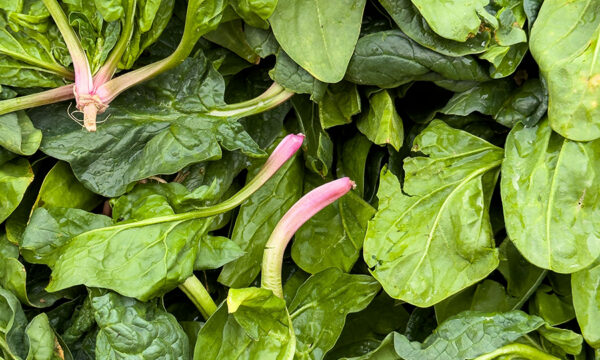
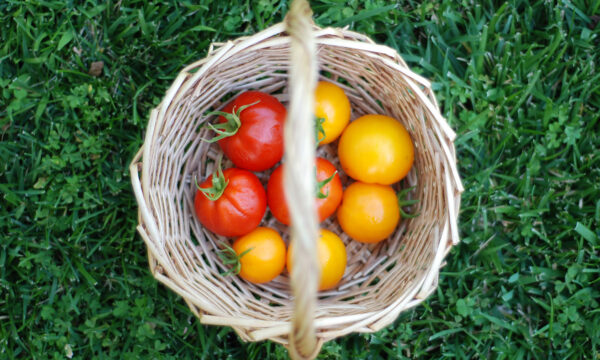
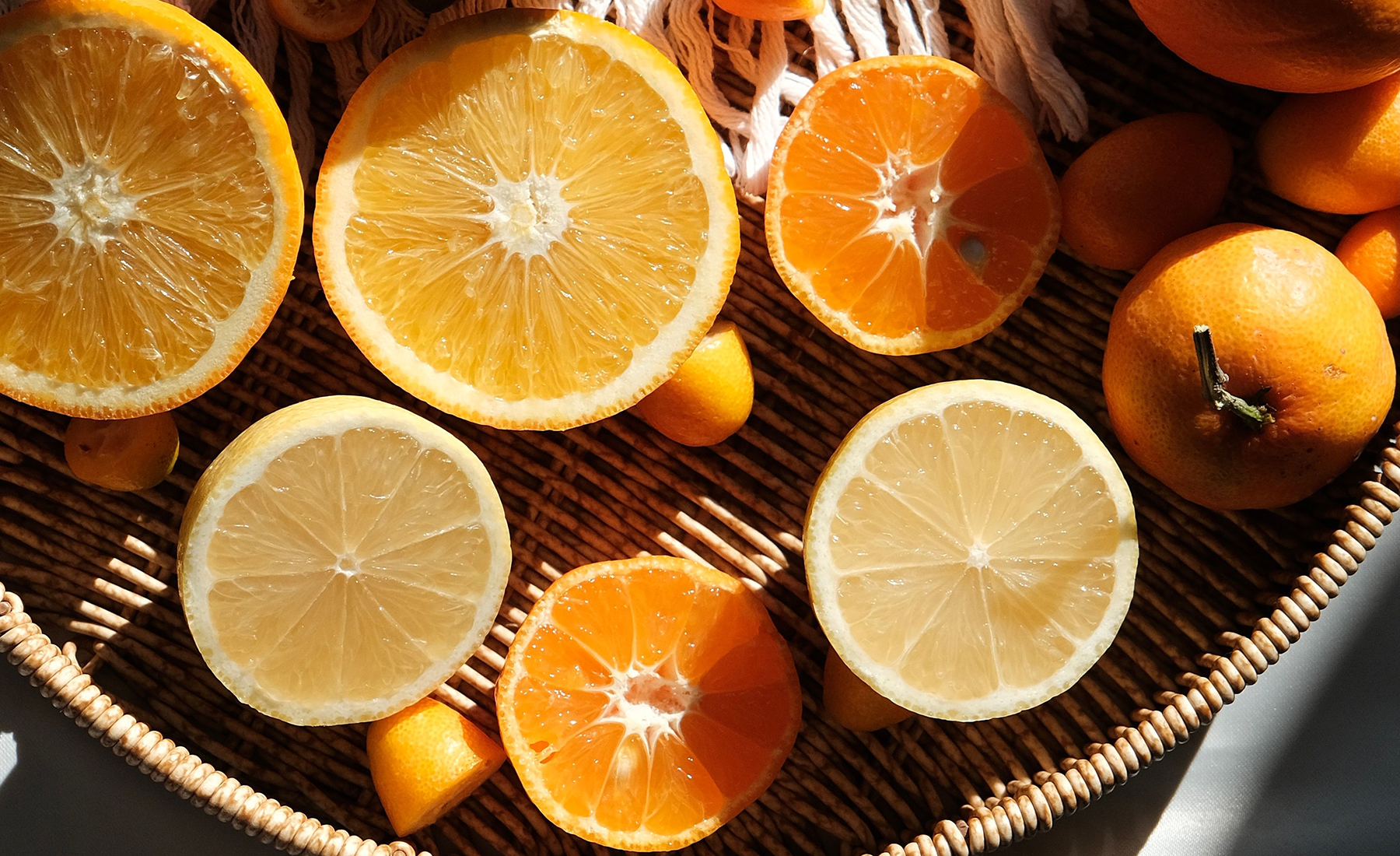
Vitamin C is an antioxidant that protects cells throughout the body from cellular damage. It can assist with white blood cell function and protects mucosal barriers in the body. Vitamin C deficiency is linked to increased susceptibility to infection. Berries, leafy greens, tomatoes, broccoli, peppers, citrus fruits and sweet potatoes are all foods rich in Vitamin C.
Vitamin D supports white blood cell function and can aid in reducing inflammation in the body. Foods rich in Vitamin D include fatty fish, egg yolks, and fortified foods (such as milk, nondairy milks and cereals)
Beta carotene is an antioxidant that the body converts into Vitamin A. It is also important for white blood cell structure and production, as well as eliminating damage from free radicals. Sources include sweet potatoes, butternut squash, carrots, leafy greens and cantaloupe.
Zinc is essential for healthy immune function. It aid in the function of T-cells, B-cells and natural killer cells that protect the body. Adequate zinc intake can regulate inflammation through the body and protects multiple organ tissues. A zinc deficiency can adversely impact the body’s immune response. Foods rich in zinc include meats, whole grains, milk, seeds and nuts.
Glutamine is an amino acid the body synthesizes from protein rich foods. It assists in production of cytokines, a type of protein that helps to regulate the immune system response. Glutamine can be obtained from meat, poultry, eggs, fish, beans, nuts, seeds and tofu.
Fiber supports adequate gut health which can reduce inflammation and support regular bowel function. Prebiotic rich foods (garlic, onions, leeks, asparagus and artichoke) feed healthy bacteria in the gut. Probiotic rich foods (yogurt, kefir, fermented vegetables, kimchi) contain live bacteria that benefits the gut. A healthy balance of bacteria in the gut supports immune function.
Phytonutrients are plant compounds that provide antioxidants to protect cells from damage and contribute to lowering inflammation. A few well known phytonutrients include carotenoids (found in orange fruits and vegetables), flavonoids (found in berries, citrus fruits and chocolate), resveratrol (found in grapes) and curcuminoids (found in turmeric)
What about chicken noodle soup? The broth in the soup provides fluids to help maintain hydration. The chicken is a good source of protein (for the body to synthesize glutamine) and zinc. The vegetables in the soup can contribute some vitamin C and beta carotene.